
The Mississippi Border Loophole That Reshapes USA Memphis Casino Mississippi Border Math
The entire economic engine of the USA Memphis Casino Mississippi Border corridor hinges on a single geographic accident: the state line sits closer to downtown Memphis than most people's daily commute. 🎯 Tunica County begins roughly thirty-five minutes south of Beale Street, and that thin ribbon of asphalt across the DeSoto County line is the most profitable stretch of highway in the Mid-South. Anyone auditing Tunica Proximity mechanics understands this is not marketing spin — it is a hard-coded jurisdictional arbitrage play that no riverboat-era regulation anticipated.

Why the Tunica Proximity Buffer Beats Every Downtown Alternative
Run the numbers on drive-time conversion and the picture gets brutal for anyone betting against the border. A Memphis resident reaching the first Tunica casino floor in under forty minutes faces zero parking friction and zero urban congestion tax — compare that to a theoretical downtown Memphis property where valet alone eats twenty minutes of the visit. The USA Memphis Casino Mississippi Border model wins because it converts a state boundary into a customer acquisition funnel. Operators on the Mississippi side know exactly what they are selling: proximity without the Tennessee regulatory overhead. That is not luck, that is geography weaponized.
Hardware and Floor Economics Across the Line
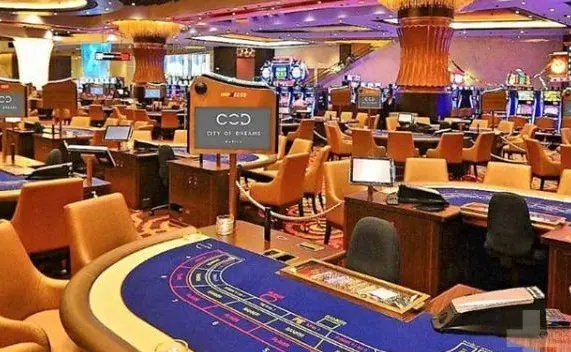
Walk the riverboat-to-land-based transition and the capital allocation tells its own story. Slot hold percentages in Tunica properties historically sit in a tighter band than comparable regional markets because the player base skews drive-in, repeat-visit, and highly price-sensitive on comps. Surveillance infrastructure got rebuilt twice in the last decade — first for server-based gaming conversion, second for license-plate analytics at the parking garages. That second layer is the tell. When a property invests in tracking which county your tag reads, they are pricing your Tunica Proximity value in real time, not guessing at it.
The Border Audit Angle Most Analysts Miss
Here is where the armchair crowd gets it wrong every single time. They treat the Mississippi line as a simple tax boundary and stop thinking. Wrong. The real mechanism is regulatory latency — Mississippi gaming approvals move on a different clock than Tennessee's legislative posture, and that gap creates a durable moat for existing licensees. New entrants cannot fast-follow a border property the way they clone a downtown slot parlor. 🎲 The capital barrier is the license itself, and the license is anchored to a county that already saturated its allocation. Scarcity plus proximity equals a margin structure you cannot replicate by copying a floor plan.
Traffic Data and the Forty-Minute Threshold
Pull the corridor traffic counts and the forty-minute isochrone is where visit frequency inflects hard. Inside that ring, a casual player treats a casino trip as a weeknight decision rather than a weekend event. That single behavioral shift doubles theoretical visit cadence and crushes the customer acquisition cost per active player. Operators running the USA Memphis Casino Mississippi Border playbook are not buying billboards in Memphis out of vanity — they are defending a frequency advantage that a two-hour drive market simply cannot touch. Any competitor pricing against this corridor without modeling the isochrone effect is flying blind on their own P&L.
Where the Proximity Premium Actually Breaks
The vulnerability is not competition from Tennessee legislation — it is saturation inside the ring itself. Every additional property inside that forty-minute band dilutes the frequency premium for everyone, and the marginal license becomes a liability rather than an asset. The math flips once floor count outpaces drive-in population growth, and the corridor stops printing margin and starts cannibalizing it. Watch the license transfer prices, not the press releases — they move first and they move honest.